
Bij de Maasai-gemeenschappen in Tanzania zijn de rollen tussen mannen en vrouwen al generaties lang duidelijk verdeeld. In deze traditioneel georganiseerde samenleving houden mannen zich bezig met het hoeden van vee en het nemen van belangrijke beslissingen binnen de gemeenschap. Vrouwen zijn verantwoordelijk voor het huishouden, de zorg voor de kinderen én – cruciaal – het halen van water.
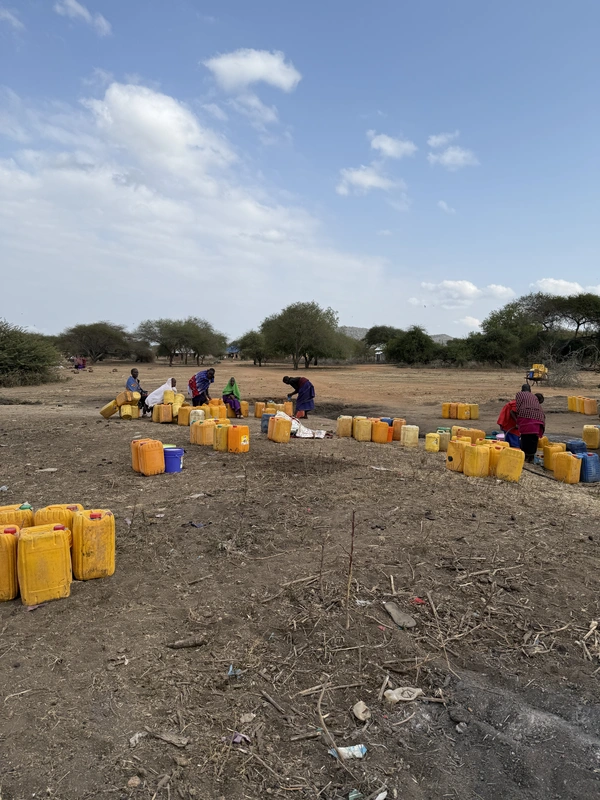
Water halen is geen kleine taak. Vrouwen en meisjes leggen vaak kilometerslange tochten af naar de dichtstbijzijnde waterbron. Daarbij maken ze gebruik van ezels om de zware jerrycans met water te vervoeren. Hoewel de ezels het fysieke werk deels verlichten, blijft het een tijdrovende en vermoeiende taak, vaak onder de brandende zon en in onveilige omstandigheden.
Een waterproject dat levens verandert
Juist daarom is het waterproject dat we samen met de Maasai-gemeenschappen in Loolera en Lembapuli uitvoeren zo belangrijk. Het doel is simpel, maar de impact is groot: door toegang tot veilig en schoon water dichter bij huis te brengen, verandert er veel. Voor de hele gemeenschap – maar in het bijzonder voor vrouwen en meisjes.
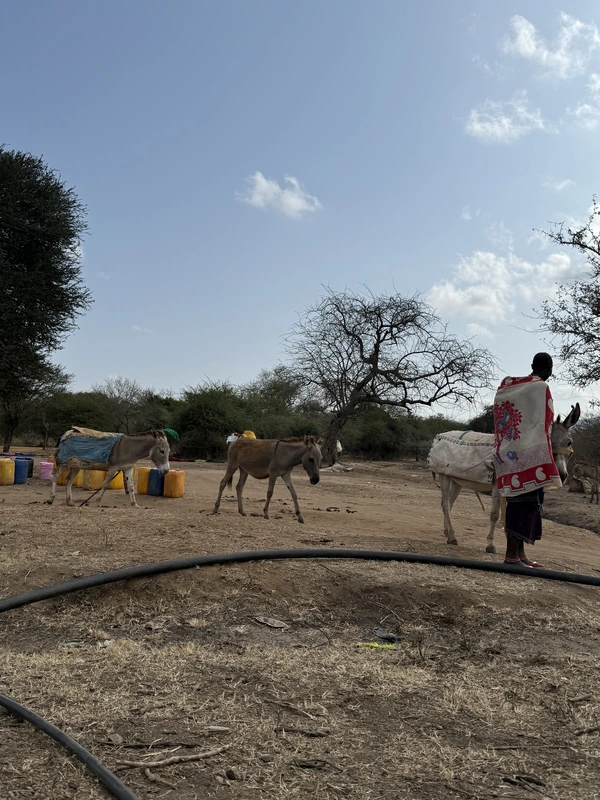
Doordat zij nu niet meer uren hoeven te lopen naar een verre bron, wordt hun dagelijkse last letterlijk verlicht. Het verhoogt hun veiligheid – ze hoeven niet meer door afgelegen gebieden te trekken – en het geeft hen meer tijd voor andere belangrijke activiteiten: school, werk, rust.
Van last naar kracht
Dit project doet meer dan alleen water brengen. Het raakt aan diepgewortelde structuren en geeft vrouwen ruimte en kracht om een actievere rol te spelen binnen hun gemeenschap. Het biedt kansen voor meisjes om langer op school te blijven en voor vrouwen om economische activiteiten op te starten.
In een gemeenschap waar water halen lang als vanzelfsprekend tot het takenpakket van vrouwen behoorde, verandert dit project de verhoudingen langzaam maar zeker. Water is leven, zeggen ze in Afrika. En dat klopt. Maar voor de Maasai-vrouwen betekent water ook vrijheid, veiligheid en een stap richting gelijkwaardigheid.
Steun het waterproject
Help ons meer waterpunten aan te leggen en geef Maasai-vrouwen hun tijd, veiligheid en waardigheid terug.
Doneer