
Stel je voor: je ziet een indrukwekkende foto van een kind met een jerrycan water in de brandende zon. Het goede doel belooft: "Met jouw gift verander je dit leven." Je voelt de neiging om meteen te doneren -- want wie wil er nu niet helpen? Maar ergens vraag je je af: komt mijn geld wel echt terecht waar het nodig is?
Die twijfel is heel normaal. Iedereen wil dat zijn bijdrage écht verschil maakt. In deze blog nemen we je mee in het verhaal van hoe je zelf kunt ontdekken of een goed doel betrouwbaar is. Geen droge checklist, maar een gids die je helpt om met een gerust hart te geven.
Transparantie: een open boek
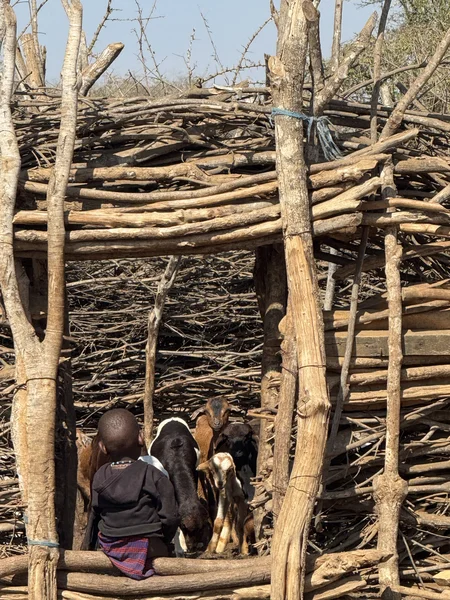
Stel je voor dat je iemand ontmoet die je om geld vraagt, maar niets vertelt over wie hij is of wat hij met het geld gaat doen. Je zou waarschijnlijk niet meteen je portemonnee trekken. Dat geldt ook voor goede doelen. Een betrouwbaar doel is een open boek: ze laten zien wie ze zijn, welke projecten ze doen en wat het oplevert.
Denk aan een stichting die niet alleen zegt: "We helpen dorpen in Tanzania," maar ook laat zien hoeveel waterputten er al zijn gebouwd, wie de lokale partners zijn en wat de impact was voor gezinnen. Dat geeft vertrouwen.
Keurmerken: een soort APK voor goede doelen
In Nederland heb je gelukkig extra houvast. Een organisatie met een ANBI-status laat zien dat ze door de "keuring" zijn gekomen. Zie het maar als een APK: er wordt onafhankelijk gecontroleerd of alles klopt -- van de financiën tot de manier van besturen.
Een goed doel dat dit keurmerk heeft, vertelt daarmee: "Je hoeft ons niet alleen op ons woord te geloven, er is ook echt naar ons gekeken."
Wie houdt er toezicht?
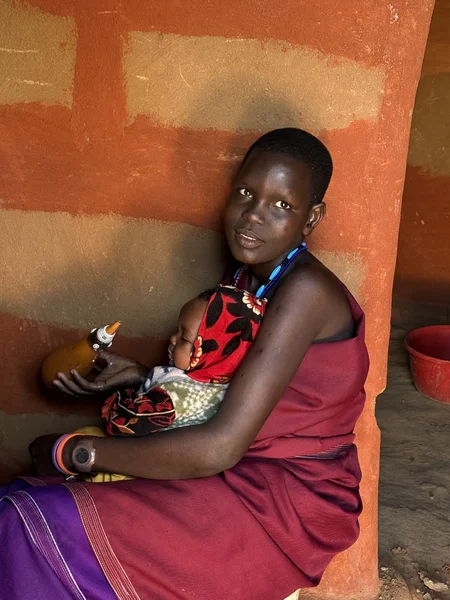
Een mooi verhaal is één ding, maar wie kijkt er mee? Een goed doel laat zien dat er niet één persoon alles beslist, maar dat er een bestuur is dat elkaar in balans houdt. Net zoals een sportteam beter presteert als er meerdere coaches zijn, werkt een goed doel het beste met verschillende ogen en handen die mee sturen.
Waar gaat je euro heen?
Iedereen vraagt het zich af: hoeveel van mijn gift gaat écht naar het doel? Het antwoord is meestal genuanceerder dan "100% naar de kinderen" -- want ook projectbegeleiding, trainingen en administratie kosten geld. Een betrouwbaar goed doel laat dit ook aan de hand van het financieel jaarverslag duidelijk zien.
Op deze manier weet je dat je geld niet verdwijnt, maar slim wordt besteed.
Impact: laat het zien!
De meest overtuigende bewijzen komen uit de praktijk. Denk aan verhalen van een gemeenschap die nu schoon drinkwater heeft, mét cijfers: "300 gezinnen hebben dagelijks toegang tot veilig water." Het mooiste is als een organisatie ook eerlijk vertelt wat niet werkte, en wat ze daarvan geleerd hebben. Dat maakt ze niet zwakker, maar juist betrouwbaarder.
Rode vlaggen: wanneer opletten?
Er zijn natuurlijk ook signalen die je waakzaam maken. Bijvoorbeeld als er:
- geen jaarverslagen of cijfers te vinden zijn,
- vage beloften gedaan worden zonder bewijs,
- of als er druk wordt gezet om snel te doneren.
Zie je dit? Dan is het slim om nog even verder te kijken voor je besluit te geven.
Geef met vertrouwen
Doneren is eigenlijk een beetje zoals een zaadje planten. Je wilt weten of de grond vruchtbaar is, of er zorg is voor water en zonlicht -- en of er iemand kijkt of de plant echt groeit. Een betrouwbaar goed doel laat je dat allemaal zien. Zo kun jij met een gerust hart geven, en weet je dat jouw bijdrage echt wortel schiet en uitgroeit tot iets groots.
Wil je meer weten hoe Ashe Foundation werkt?
Wij laten je graag zien hoe elke euro wordt besteed en welke impact we samen maken in de Maasai-gemeenschappen van Tanzania. Want vertrouwen begint met openheid -- en samen maken we het verschil.